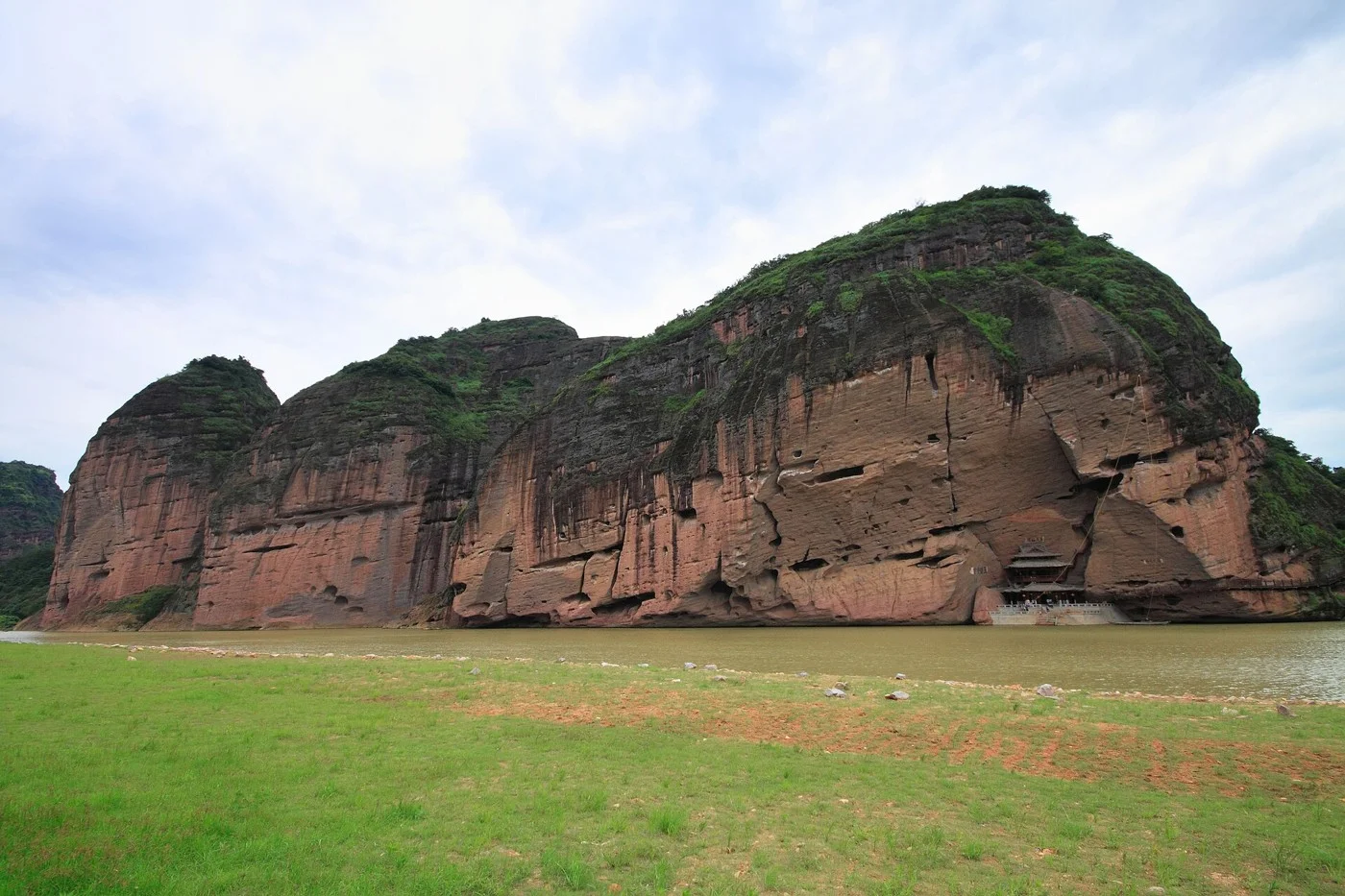
Mount Longhu is closely associated with the Zhang Celestial Masters. Shangqing Palace, the Celestial Master’s Mansion and the surrounding town provide important settings for understanding this history. Stories about Zhang Daoling making an elixir and the appearance of a dragon and tiger belong to local religious tradition.
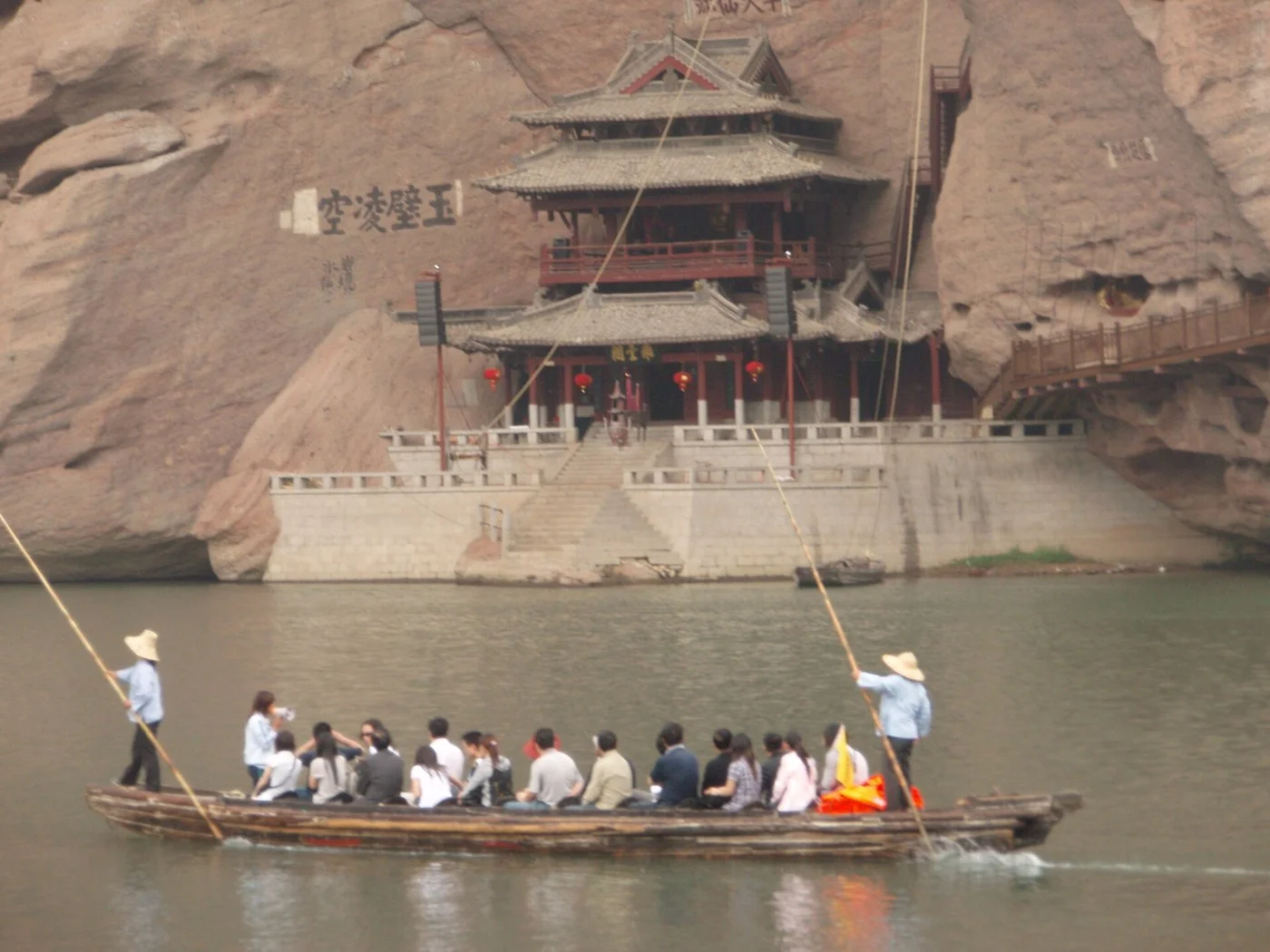
Photo: Tyler from Shanghai, China · CC BY 2.0 https://creativecommons.org/licenses/by/2.0; resized and converted to WebP; derivative retains the original licence. Wikimedia Commons · original & licence ↗
History and sacred geography
The mountain is linked with the Way of the Celestial Masters and the later Zhengyi tradition. Legends explain how people understood the mountain’s name and sacred landscape, but should be read separately from dated buildings, inscriptions and documentary evidence. The area includes rivers, cliffs, Shangqing town and multiple religious remains, not a single isolated peak.
The Mansion and Shangqing Palace
The Celestial Master’s Mansion in Shangqing town is associated with the residence, worship and succession of the Zhang lineage. Courtyards, hall names, inscriptions and old trees reveal the relationship between a religious family and its built environment. Great Shangqing Palace is a distinct site connected with teaching, registers and major rituals. Archaeological remains, historic palace buildings and present-day religious facilities are not interchangeable.
Landscape and other histories
Mount Longhu is part of the China Danxia World Heritage property. Red cliffs and rivers shape the landscape. Cliff burials around Xianshuiyan represent another historical layer, not Daoist meditation caves. Natural caves, ancient tombs and later religious narratives should be distinguished.
Associated figure: Zhang Yuchu
Zhang Yuchu was a Ming-period Zhengyi figure and the forty-third Celestial Master. His writings, including the Xianquan ji, and his relationships with scholars illuminate the intellectual and cultural life of the lineage.
Reading the area
One line of enquiry follows the landscape and Danxia geology; another follows Shangqing town, the Mansion and palace remains. Hall inscriptions and source material help connect architecture with its history. Transport, opening hours and admission arrangements vary across the wider area.
Sources & further reading
- Eco China · reference ↗
- THAD · Tsinghua University Architectural Design and Research Institute · reference ↗
- UNESCO World Heritage Centre · reference ↗
- Daoist Culture Centre · reference ↗
- daoism.family · reference ↗
English version prepared by Guanfu with AI assistance from the Chinese entry. This is an editorial adaptation, not a quotation from the source publishers. Third-party authorship and licence terms remain applicable; see the linked sources and individual image credits.
Please credit Guanfu and link to this page when citing this introduction. Retain the original author, source and licence for third-party material.