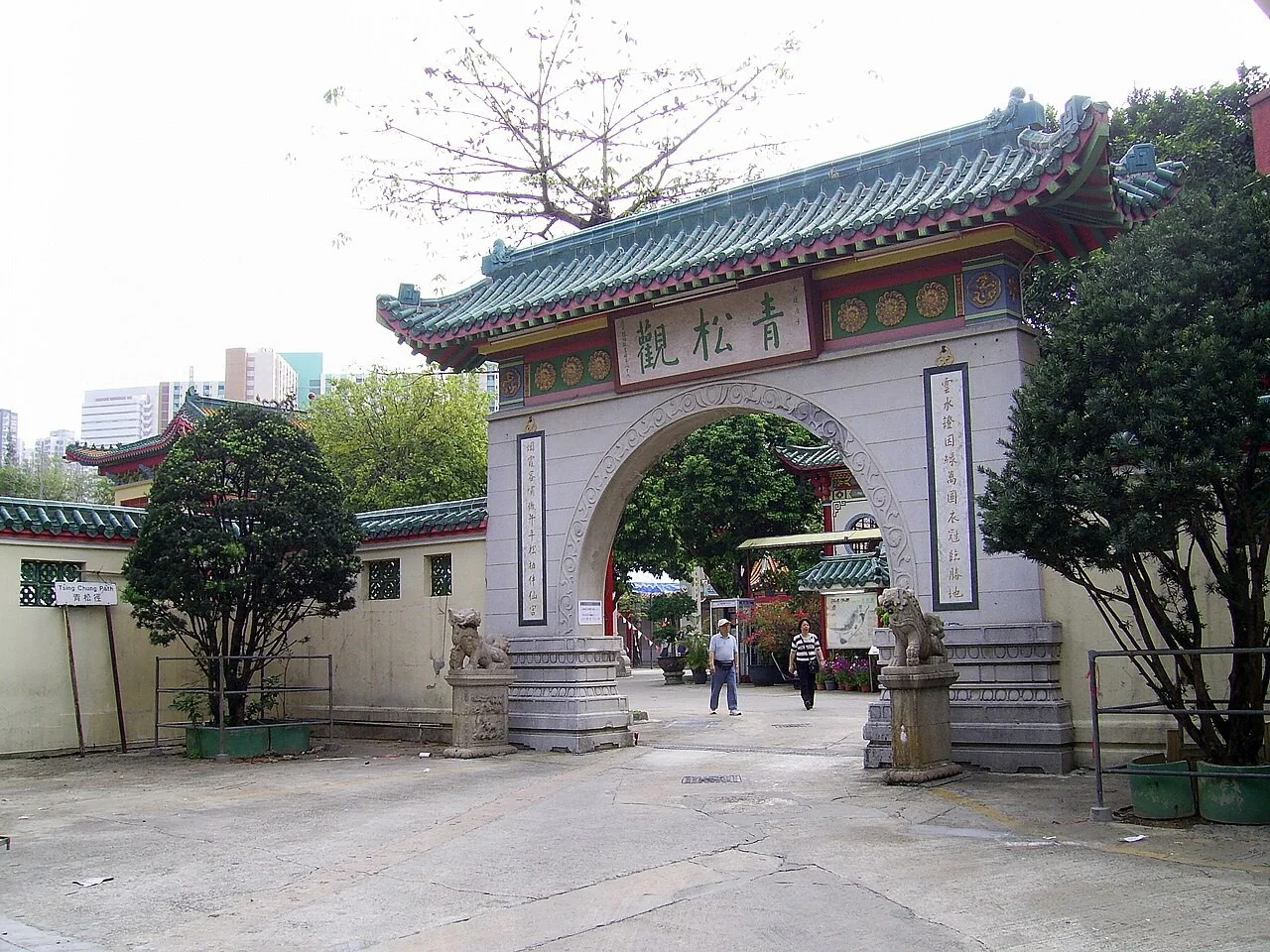
Tuen Mun, Hong Kong
Ching Chung Koon
Quanzhen religious life, gardens, education and community service.
Read more →GUANFU / SEARCH
Search English titles, introductions, places and people.
65 entries
Tuen Mun, Hong Kong
Quanzhen religious life, gardens, education and community service.
Read more →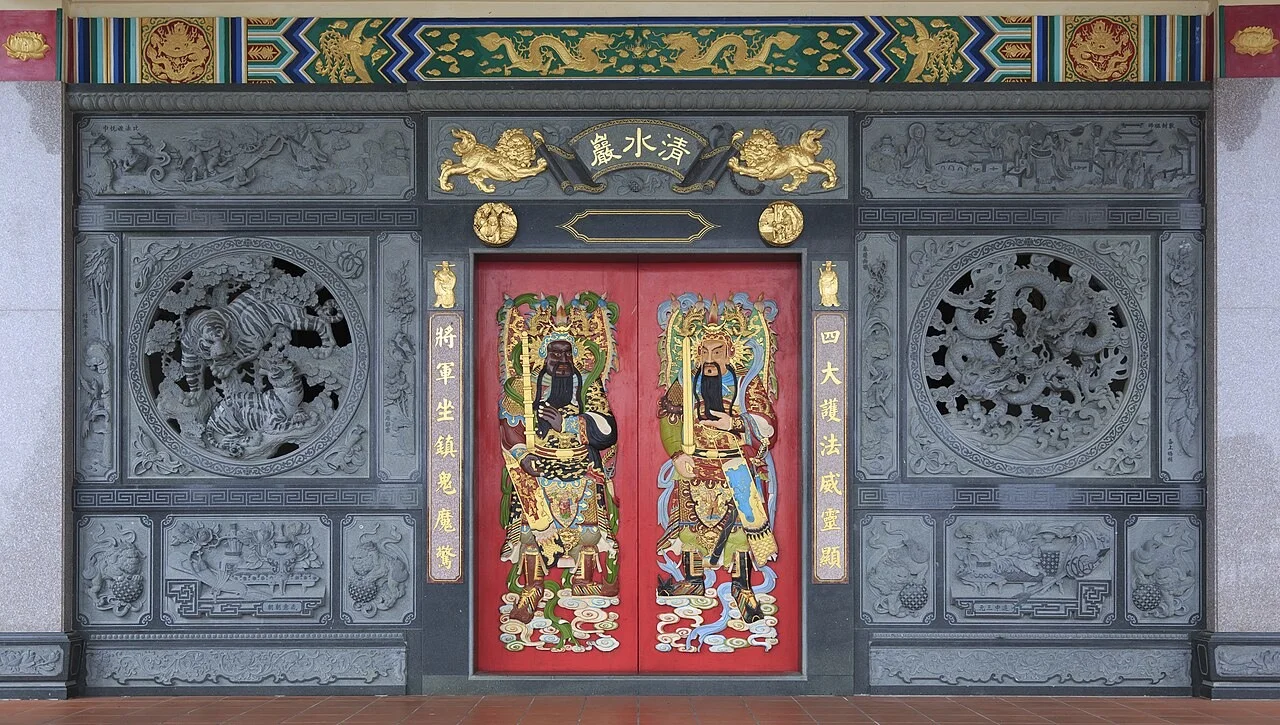
Genting Highlands, Malaysia
A mountain temple combining several Chinese religious traditions.
Read more →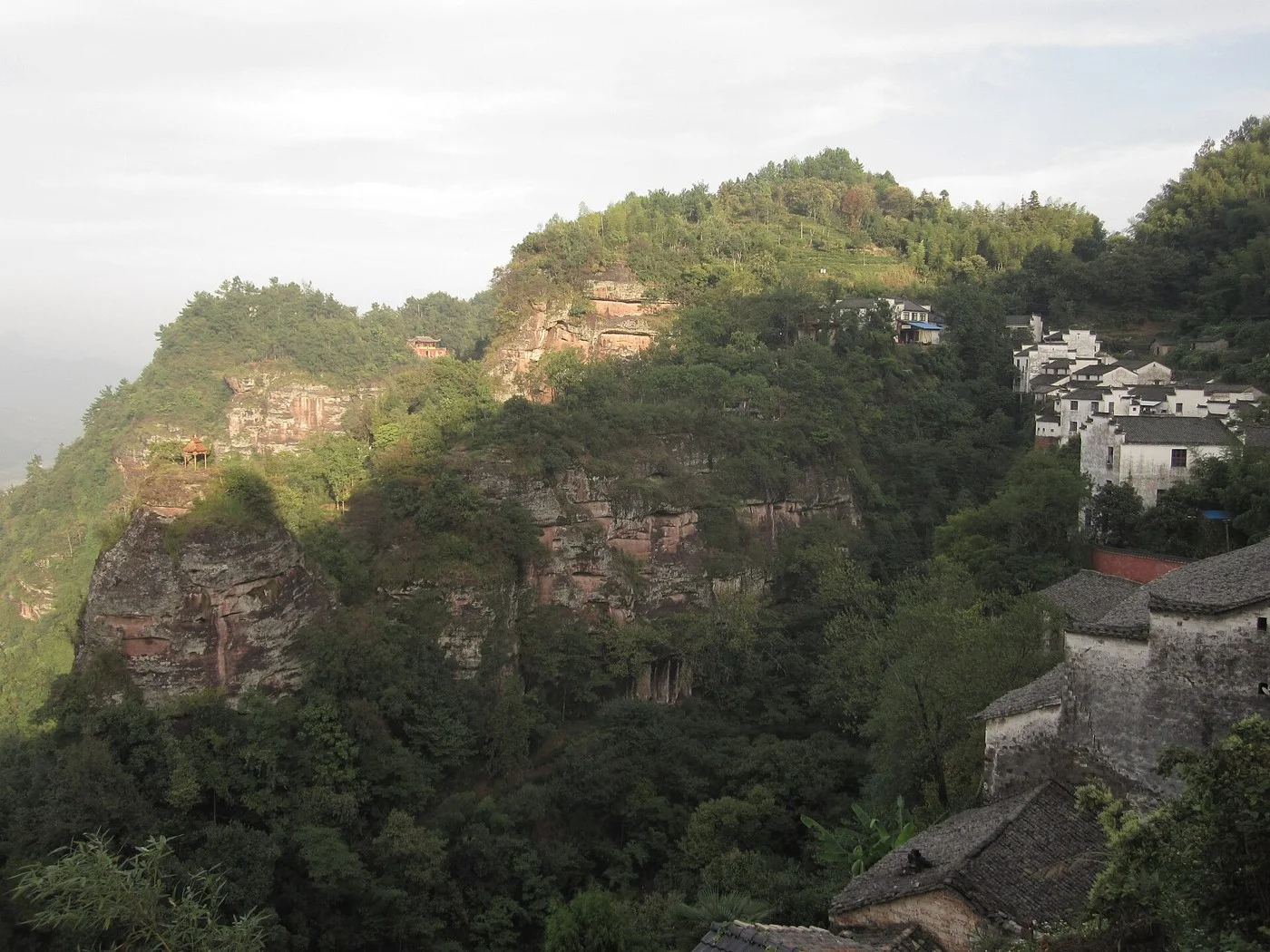
Xiuning, Anhui, China
Daoist culture among Huizhou cliffs, inscriptions and mountain settlements.
Read more →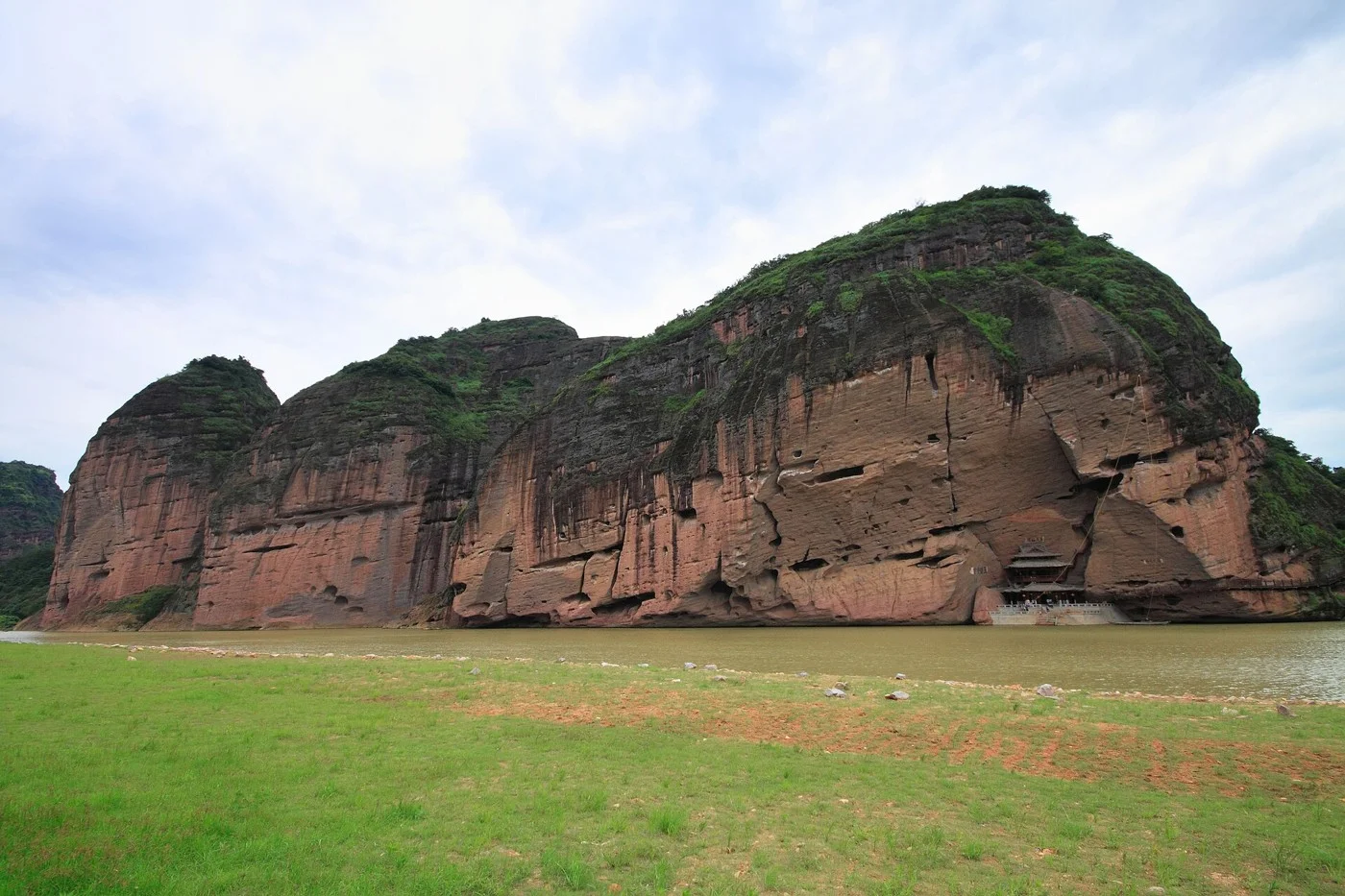
Yingtan, Jiangxi, China
Celestial Masters and Zhengyi traditions among Danxia cliffs and Shangqing town.
Read more →Jakarta, Indonesia
An Indonesian Daoist lineage and practice organization whose website describes its teachings, activities and temple network.
Read more →Lisbon, Portugal
A nonprofit Daoist practice organization providing information about local Daoist and Taoist Tai Chi activities.
Read more →Toronto, Canada
An organization offering Daoist practice and Taoist Tai Chi activities through an international network.
Read more →São Paulo, Brazil
A São Paulo group offering Portuguese-language courses in Daoist philosophy, classics, qigong and meditation.
Read more →Queensland, Australia
An Australian registered Daoist charity whose public register includes religious and community programmes associated with Evergreen Taoist Church.
Read more →Seattle, United States
An institute offering taiji, qigong and other courses related to Daoist cultural practice.
Read more →Shanghai, China
A religious organization serving Shanghai’s Daoist community through cultural activities, education, public welfare and exchange.
Read more →Taipei, Taiwan
An organization offering Daoist education, ritual and Daoist music courses, and cultural activities.
Read more →Fables open a space for thinking about human circumstances, the limits of knowledge and spiritual freedom.
The Daodejing is traditionally attributed to Laozi. Its short chapters explore spontaneity, non-coercive action, softness and contentment.
The Liezi uses stories to explore nature, fate and knowledge. Its traditional author and the formation of the received text are separate questions.
Also known as the Tongxuan zhenjing, the Wenzi explores Dao, virtue, self-cultivation and government. Accounts of the figure’s identity and lineage differ.
The Zuowang lun presents a structured discussion of cultivation, moving from faith and respect through gathering the mind toward attaining the Dao.
The Baopuzi examines immortality beliefs, cultivation and techniques, alongside observations of society and knowledge.
Poetry gives form to internal-alchemical thought through symbols such as lead and mercury, dragons and tigers.
The teaching figure who answers Lü Dongbin’s questions in the Zhong-Lü chuandao ji. Historical biography and later immortality traditions should be distinguished.
A questioning voice in the Zhong-Lü chuandao ji, and a cultural figure shaped by historical accounts, lineages and immortality stories.
The transmission figure named in the Zhong-Lü chuandao ji. His relationship to the Tang poet of the same name remains a question for textual research.
The Huangdi yinfu jing invokes the authority of the Yellow Emperor. Its title does not prove that it was written in his legendary age.
A divine teaching figure in the Qingjing jing and Taishang ganying pian, treated separately from the historical profile of Laozi.
A central divine figure in the transmission narrative of the Duren jing and the cosmological world of the Lingbao tradition.